profile

Amarnath Temple

4.0

  • star
  • star
  • star
  • star
  • star

156 Reviews

Amarnath Temple

About

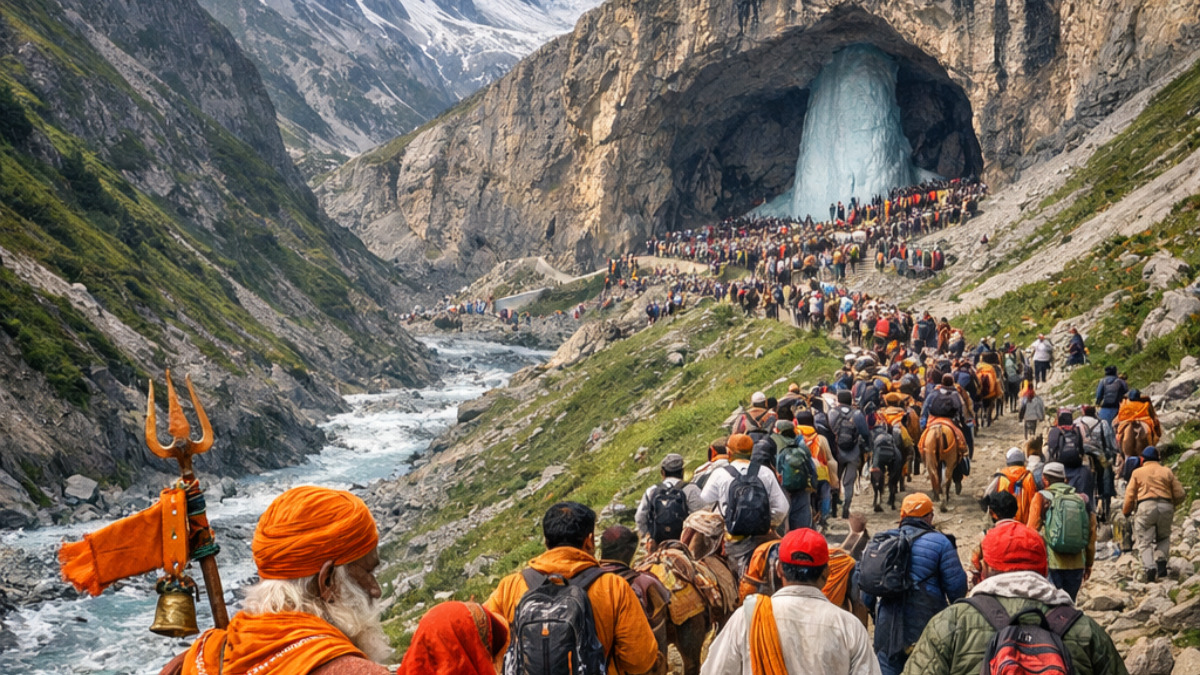
**Amarnath Temple** * **Location:** Located in the Indian state of Jammu and Kashmir, Amarnath Temple is a Hindu shrine dedicated to Lord Shiva. * **History:** The temple is believed to have been built in the 15th century by the Pandavas, the heroes of the Hindu epic Mahabharata. * **Architecture:** The temple is built in the shape of a cave, and is located at an altitude of 3,888 metres (12,756 ft) above sea level. * **Significance:** Amarnath Temple is one of the most popular pilgrimage sites in India, and is visited by millions of devotees every year. * **Legend:** According to legend, the cave at Amarnath is the place where Lord Shiva revealed the secret of immortality to his consort, Parvati. * **Festivals:** The most important festival at Amarnath Temple is the Amarnath Yatra, which takes place every year in the month of July or August. * **Challenges:** The main challenge of the Amarnath Yatra is the high altitude and the difficult terrain. Devotees often have to walk for several days to reach the temple. * **Safety:** In recent years, there have been concerns about the safety of pilgrims at Amarnath Temple. In 2019, a cloudburst near the shrine killed at least 16 people. **Conclusion:** Amarnath Temple is a sacred place of pilgrimage for Hindus, and is a popular tourist destination. Despite the challenges, the Amarnath Yatra is a spiritually rewarding experience for many devotees.

Visiting Guide

**How to Visit Amarnath Temple** **1. Planning your trip** * The best time to visit Amarnath is during the summer months, from June to August. This is when the weather is warm and sunny, and the roads are clear. * The Amarnath Yatra, a pilgrimage to the holy shrine, takes place from July to August. If you're planning to do the yatra, you'll need to book your permits well in advance. * You can reach Amarnath by road, rail, or air. The nearest airport is in Srinagar, which is about 140 km from the shrine. The nearest railway station is in Banihal, which is about 100 km from the shrine. * There are a number of hotels and guesthouses in Pahalgam, which is the starting point for the Amarnath Yatra. You can also camp in the mountains near the shrine. **2. Getting to Pahalgam** * The most popular way to get to Pahalgam is by road. The journey takes about 8 hours from Srinagar. * You can also take a bus or taxi from Srinagar to Pahalgam. The bus journey takes about 10 hours, and the taxi journey takes about 8 hours. * If you're flying to Srinagar, you can take a taxi or bus to Pahalgam. The taxi journey takes about 2 hours, and the bus journey takes about 3 hours. **3. The Amarnath Yatra** * The Amarnath Yatra is a 45-kilometer (28-mile) pilgrimage that takes place from July to August. The journey begins in Pahalgam and ends at the Amarnath cave, which is located at an altitude of 3,888 meters (12,756 feet). * The yatra is divided into three stages: * The first stage is from Pahalgam to Chandanwari, which is a distance of 16 kilometers (10 miles). This stage takes about 5 hours to complete. * The second stage is from Chandanwari to Sheshnag, which is a distance of 14 kilometers (8 miles). This stage takes about 4 hours to complete. * The third stage is from Sheshnag to Amarnath, which is a distance of 14 kilometers (8 miles). This stage takes about 5 hours to complete. * The yatra is challenging, but it is also a spiritually rewarding experience. **4. Things to know before you go** * The weather in the mountains can change quickly, so it's important to be prepared for all conditions. * Make sure you have warm clothes, as the temperature can drop below freezing at night. * You'll also need to carry enough food and water for the journey. * It's important to stay hydrated, so drink plenty of water throughout the day. * The roads can be narrow and winding, so it's important to drive carefully. * There are a number of police checkpoints along the way, so be prepared to show your ID. **5. Tips for a successful trip** * Start your journey early in the morning, as the weather is cooler and the roads are less crowded. * Take frequent breaks along the way to rest and refuel. * Be respectful of the local culture and customs. * Enjoy the journey and the beautiful scenery. **6. FAQs** * **What is the best time to visit Amarnath?** The best time to visit Amarnath is during the summer months, from June to August. This is when the weather is warm and sunny, and the roads are clear. * **How do I get to Amarnath?** You can reach Amarnath by road, rail, or air. The nearest airport is in Srinagar, which is about 140 km from the shrine. The nearest railway station is in Banihal, which is about 100 km from the shrine. * **How long does it take to do the Amarnath Yatra?** The Amarnath Yatra is a 45-kilometer (28-mile) pilgrimage that takes place from July to August. The journey begins in Pahalgam and ends at the Amarnath cave, which is located at an altitude of 3,888 meters (12,756 feet). The yatra is divided into three stages: * The first stage is from Pahalgam to Chandanwari, which is a distance of 16 kilometers (10 miles). This stage takes about 5 hours to complete. * The second stage is from Chandanwari to Sheshnag, which is a distance of 14 kilometers (8 miles

story

**Amarnath Temple: A Sacred Place of Worship in Jammu and Kashmir** * **Location:** Located in the Indian state of Jammu and Kashmir, Amarnath Temple is a Hindu shrine dedicated to Lord Shiva. * **History:** The temple is believed to have been built in the 15th century by the Pandavas, the heroes of the Hindu epic Mahabharata. * **Architecture:** The temple is built in the shape of a cave, and is located at an altitude of 3,888 metres (12,756 ft) above sea level. * **Significance:** Amarnath Temple is one of the most popular pilgrimage sites in India, and is visited by millions of devotees every year. * **Legend:** According to legend, the cave at Amarnath is the place where Lord Shiva revealed the secret of immortality to his consort, Parvati. * **Festivals:** The most important festival at Amarnath Temple is the Amarnath Yatra, which takes place every year in the month of July or August. * **Challenges:** The main challenge of the Amarnath Yatra is the high altitude and the difficult terrain. Devotees often have to walk for several days to reach the temple. * **Safety:** In recent years, there have been concerns about the safety of pilgrims at Amarnath Temple. In 2019, a cloudburst near the shrine killed at least 16 people. **How to Visit Amarnath Temple** **1. Planning your trip** * The best time to visit Amarnath is during the summer months, from June to August. This is when the weather is warm and sunny, andthe roads are clear. * The Amarnath Yatra, a pilgrimage to the holy shrine, takes place from July to August. If you're planning to do the yatra, you'll need to book your permits well in advance. * You can reach Amarnath by road, rail, or air. The nearest airport is in Srinagar, which is about 140 km from the shrine. The nearest railway station is in Banihal, which is about 100 km from the shrine. * There are a number of hotels and guesthouses in Pahalgam, which is the starting point for the Amarnath Yatra. You can also camp in the mountains near the shrine. **2. Getting to Pahalgam** * The most popular way to get to Pahalgam is by road. The journey takes about 8 hours from Srinagar. * You can also take a bus or taxi from Srinagar to Pahalgam. The bus journey takes about 10 hours, and the taxi journey takes about 8 hours. * If you're flying to Srinagar, you can take a taxi or bus to Pahalgam. The taxi journey takes about 2 hours, and the bus journey takes about 3 hours. **3. The Amarnath Yatra** * The Amarnath Yatra is a 45-kilometer (28-mile) pilgrimage that takes place from July to August. The journey begins in Pahalgam and ends at the Amarnath cave, which is located at an altitude of 3,888 meters (12,756 feet). * The yatra is divided into three stages: * The first stage is from P

Architecture

**Architecture of Amarnath Temple** The Amarnath Temple is a Hindu temple dedicated to Shiva, located in the Indian state of Jammu and Kashmir. It is one of the most revered pilgrimage sites in Hinduism, and is believed to be the place where Shiva revealed the secret of immortality to his consort, Parvati. The temple is located in a cave in the Amarnath Mountains, at an altitude of 3,888 metres (12,756 ft) above sea level. The cave is only accessible during the summer months, from July to September. The temple is built in the Nagara style of architecture, and is made of black stone. The main shrine is a square-shaped structure, with a pyramidal roof. The sanctum sanctorum houses a lingam, which is believed to be a self-manifested (swayambhu) representation of Shiva. The temple is surrounded by a number of smaller shrines, dedicated to other Hindu deities. There are also a number of natural features in the area, including a lake and a waterfall. The Amarnath Temple is a popular tourist destination, and is visited by thousands of pilgrims every year. The temple is also a source of inspiration for many Hindus, who believe that it is a place of great spiritual power. **Key Features of the Architecture** The Amarnath Temple is a unique example of Hindu temple architecture. Some of its key features include: * The temple is built in the Nagara style, which is characterized by its pyramidal roofs and elaborate carvings. * The main shrine is a square-shaped structure, with a pyramidal roof. * The sanctum sanctorum houses a lingam, which is believed to be a self-manifested (swayambhu) representation of Shiva. * The temple is surrounded by a number of smaller shrines, dedicated to other Hindu deities. * There are also a number of natural features in the area, including a lake and a waterfall. **Significance of the Temple** The Amarnath Temple is one of the most revered pilgrimage sites in Hinduism. It is believed to be the place where Shiva revealed the secret of immortality to his consort, Parvati. The temple is also a source of inspiration for many Hindus, who believe that it is a place of great spiritual power. **History of the Temple** The exact date of the construction of the Amarnath Temple is unknown. However, it is believed to have been built in the 15th century AD. The temple was destroyed by Mughal emperor Aurangzeb in the 17th century AD, but was later rebuilt. The temple has been damaged by a number of natural disasters over the years, including earthquakes and landslides. However, it has always been rebuilt, and it continues to be a popular pilgrimage site. **Conclusion** The Amarnath Temple is a unique and sacred place of worship for Hindus. It is a place of great spiritual power, and it is visited by thousands of pilgrims every year.